Why Professional Landscaping Can Cost Less Than Doing It Twice
When homeowners begin planning a landscaping project, it is natural to look for ways to control the cost. That may mean choosing the lowest estimate, purchasing less expensive materials or attempting the project without professional help.
The initial price may be lower—but landscaping that is improperly designed or installed can become much more expensive to repair.
A patio that shifts, water that drains toward the house, a retaining wall that begins to fail or plants that cannot survive their location may require portions of the project to be removed and rebuilt. By that point, the homeowner is not simply paying for landscaping. They are paying for landscaping twice.
Professional landscaping can help Omaha-area homeowners avoid those expenses by addressing the property’s design, drainage, soil, materials and construction requirements before installation begins.
Why Do Landscaping Projects Fail?
Landscaping involves much more than choosing attractive plants or placing pavers in the ground. Every part of an outdoor space interacts with the surrounding property.
A successful landscape plan should consider:
- The existing grade of the property
- How water moves during heavy rain
- Soil composition and compaction
- Sunlight and shade throughout the day
- Mature plant sizes and spacing
- Nebraska’s freeze-and-thaw cycles
- Proper base preparation beneath patios and walkways
- The weight and engineering requirements of retaining walls
- How the homeowner wants to use the space
When these factors are overlooked, a project may look finished on installation day while problems are already developing beneath the surface.
What Are the Most Expensive DIY Landscaping Mistakes?
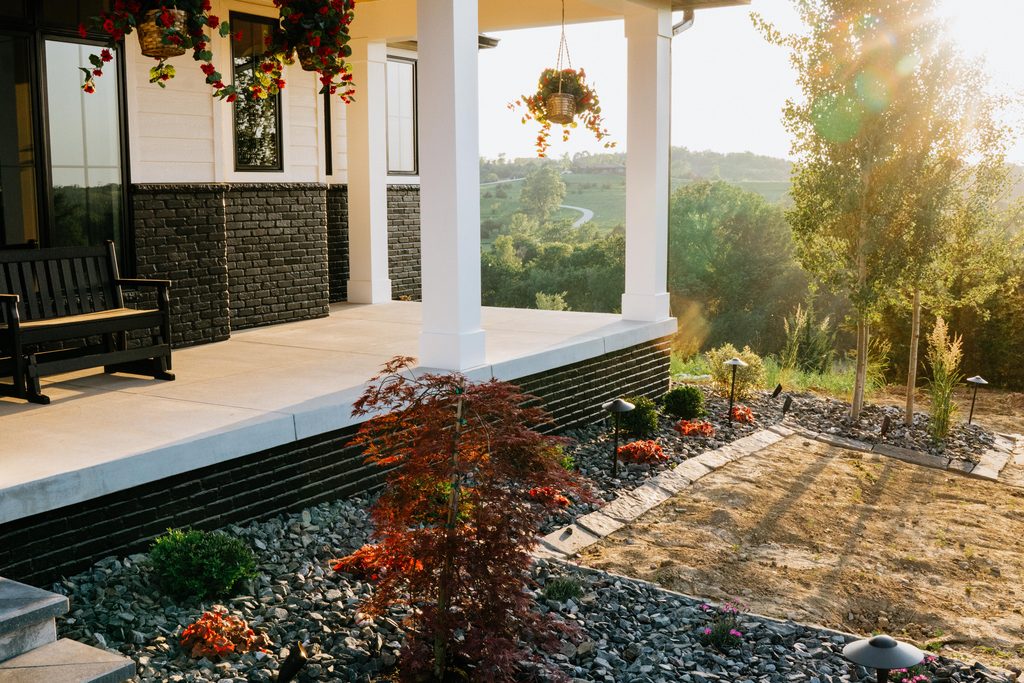
Some landscaping mistakes are easy to correct. Others can affect a home’s foundation, damage hardscaping or require an entire project to be rebuilt.
Improper Drainage
Water should move away from the home and other structures. Incorrect grading or poorly planned drainage can create standing water, erosion, oversaturated planting beds and moisture near the foundation.
Correcting a drainage problem after landscaping has been installed may require removing plants, mulch, rock, edging, sod or sections of a patio.
Inadequate Patio Preparation
A durable paver patio requires more than a level-looking surface. The soil must be excavated correctly, the base must be properly installed and compacted, and the patio must maintain the correct slope for drainage.
Skipping these steps can lead to sinking, shifting, separating pavers and areas that collect water.
Incorrect Plant Selection
A plant may look perfect at the garden center but struggle once it is placed in the wrong soil, sunlight or moisture conditions.
Professional landscape design considers how large each plant will become, how its appearance will change throughout the seasons and whether it is suited to the specific location. This reduces unnecessary plant replacement and ongoing maintenance problems.
Poorly Built Retaining Walls
Retaining walls must manage significant pressure from the soil and water behind them. Without the proper base, reinforcement and drainage, a wall may lean, separate or collapse.
Because a failing retaining wall can create safety and property concerns, rebuilding it is often much more expensive than constructing it properly from the beginning.
Choosing Materials Based Only on Price
Less expensive materials do not always provide the best value. Materials should be selected according to the project’s use, exposure, maintenance requirements and expected lifespan.Some landscaping mistakes are easy to correct. Others can affect a home’s foundation, damage hardscaping or require an entire project to be rebuilt.
Improper Drainage
Water should move away from the home and other structures. Incorrect grading or poorly planned drainage can create standing water, erosion, oversaturated planting beds and moisture near the foundation.
Correcting a drainage problem after landscaping has been installed may require removing plants, mulch, rock, edging, sod or sections of a patio.
Inadequate Patio Preparation
A durable paver patio requires more than a level-looking surface. The soil must be excavated correctly, the base must be properly installed and compacted, and the patio must maintain the correct slope for drainage.
Skipping these steps can lead to sinking, shifting, separating pavers and areas that collect water.
Incorrect Plant Selection
A plant may look perfect at the garden center but struggle once it is placed in the wrong soil, sunlight or moisture conditions.
Professional landscape design considers how large each plant will become, how its appearance will change throughout the seasons and whether it is suited to the specific location. This reduces unnecessary plant replacement and ongoing maintenance problems.
Poorly Built Retaining Walls
Retaining walls must manage significant pressure from the soil and water behind them. Without the proper base, reinforcement and drainage, a wall may lean, separate or collapse.
Because a failing retaining wall can create safety and property concerns, rebuilding it is often much more expensive than constructing it properly from the beginning.
Choosing Materials Based Only on Price
Less expensive materials do not always provide the best value. Materials should be selected according to the project’s use, exposure, maintenance requirements and expected lifespan.
A professional landscaper can explain where it makes sense to invest, where costs can be reduced and which materials will perform best for the property.
How Does Professional Landscaping Save Money?
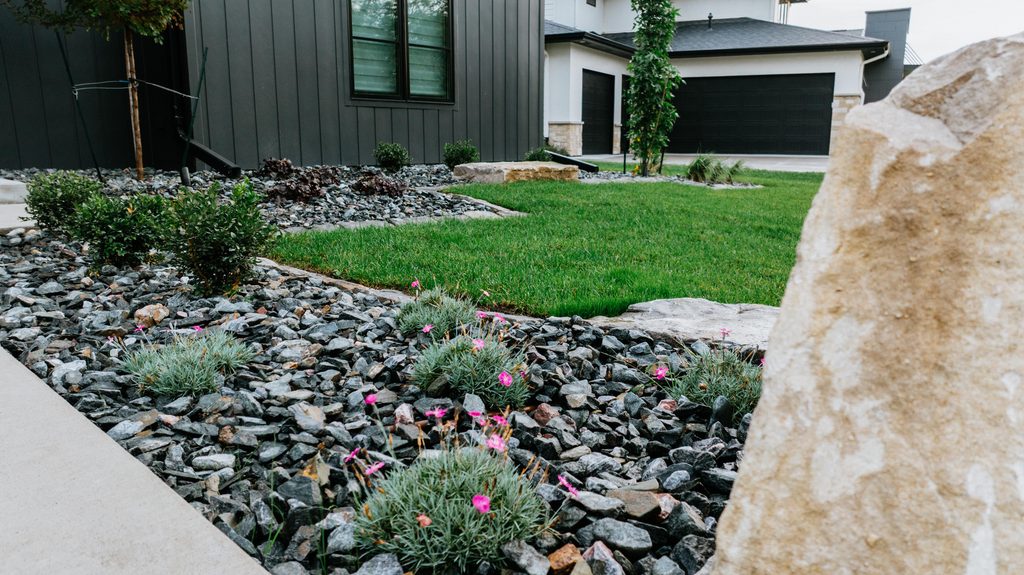
Hiring a professional landscaping company does not necessarily mean choosing the most expensive option. It means making informed decisions before money is spent on materials and installation.
Professional landscaping can reduce long-term costs through:
- Proper planning before construction begins
- Accurate material quantities
- Access to appropriate equipment
- Correct grading and drainage
- Plants selected for the property’s conditions
- Durable installation practices
- Fewer repairs and replacements
- A coordinated design that can be completed in phases
An experienced team can also identify potential problems that may not be obvious to the homeowner. Solving those problems during the planning stage is generally easier and less disruptive than correcting them after the outdoor space is finished.
Is Professional Landscaping Worth the Investment?
Professional landscaping is worth considering when a project affects drainage, elevation, permanent structures or a significant portion of the property.
Projects such as patios, retaining walls, outdoor living areas and comprehensive drainage systems require careful planning and specialized installation. Mistakes involving these features can be difficult and expensive to reverse.
A professionally designed landscape can also improve how the property functions. It can create better gathering areas, simplify maintenance, manage water more effectively and help homeowners make better use of their outdoor space.
The goal is not simply to make a yard look good today. It is to create an outdoor environment that continues to perform and add value for years.
Every AJ’s Landscaping Project Starts With a Plan
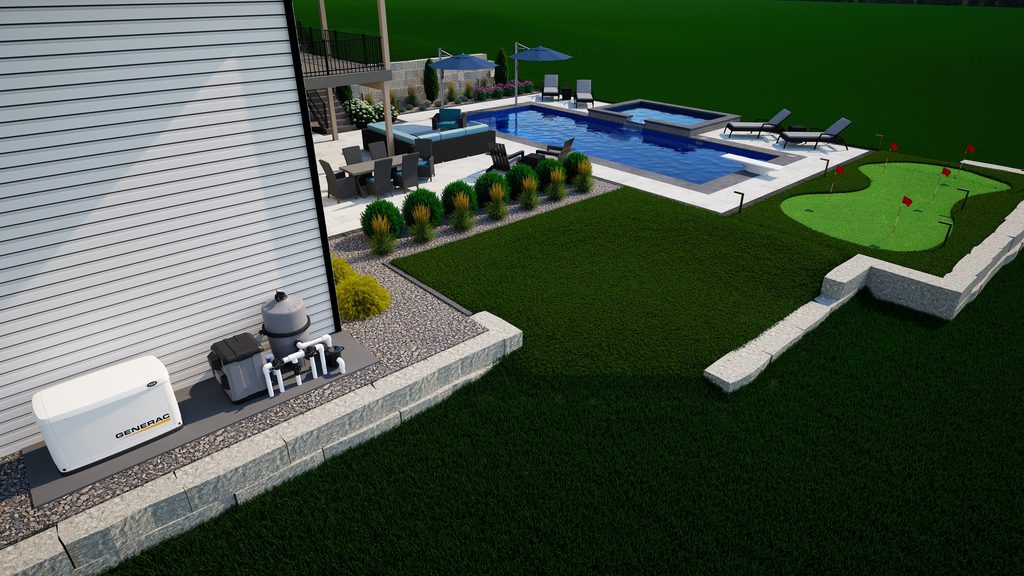
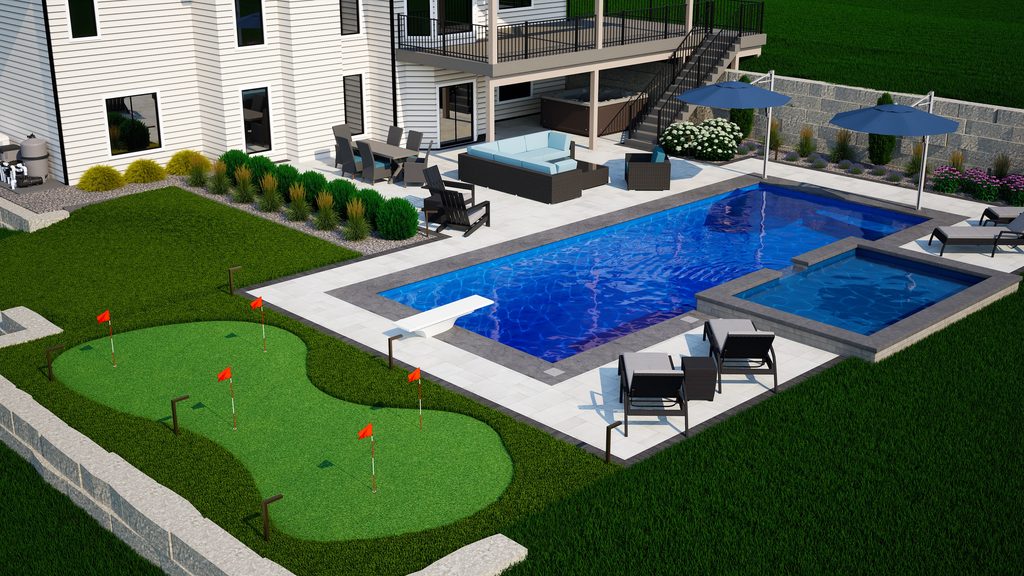
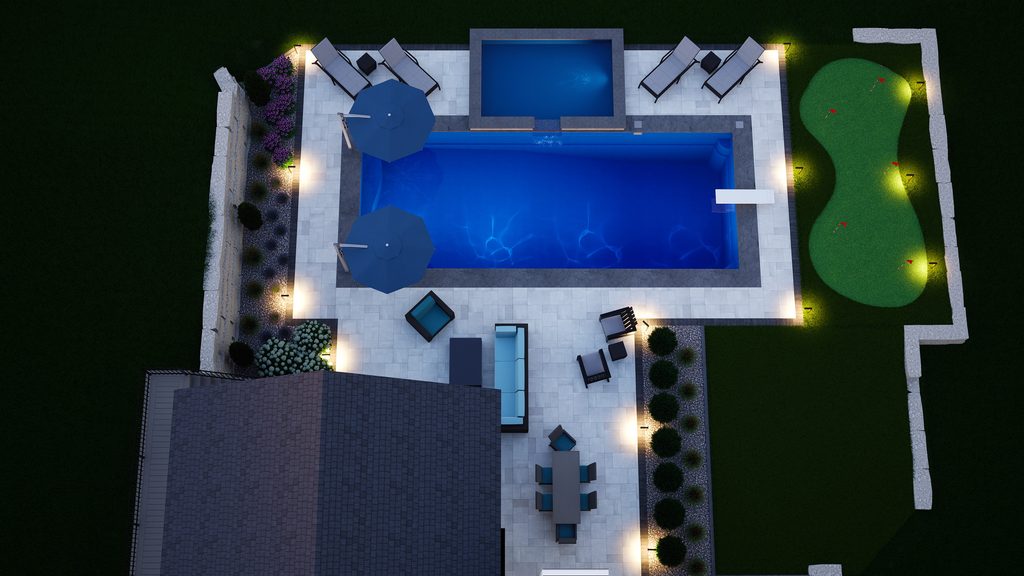
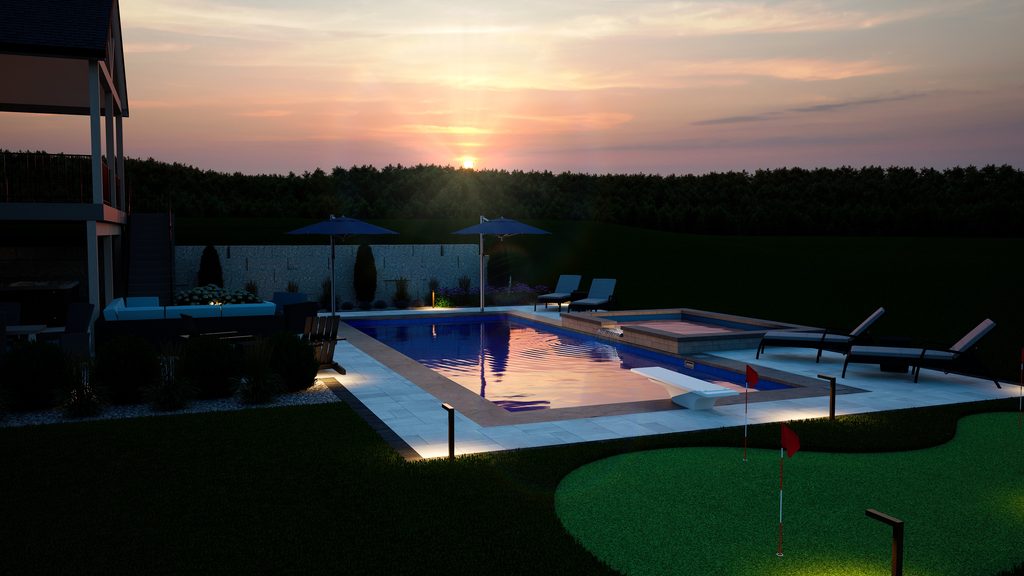
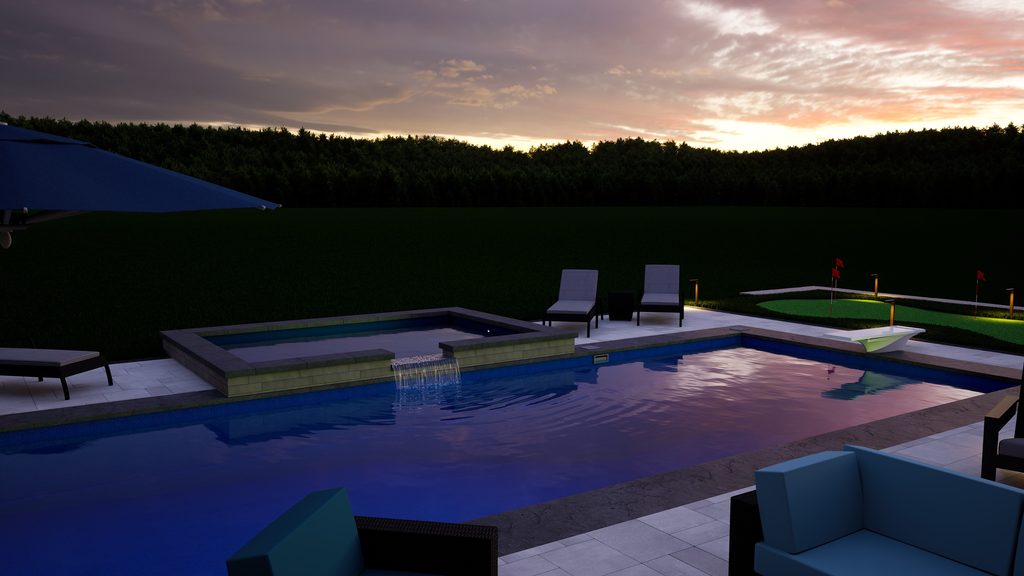
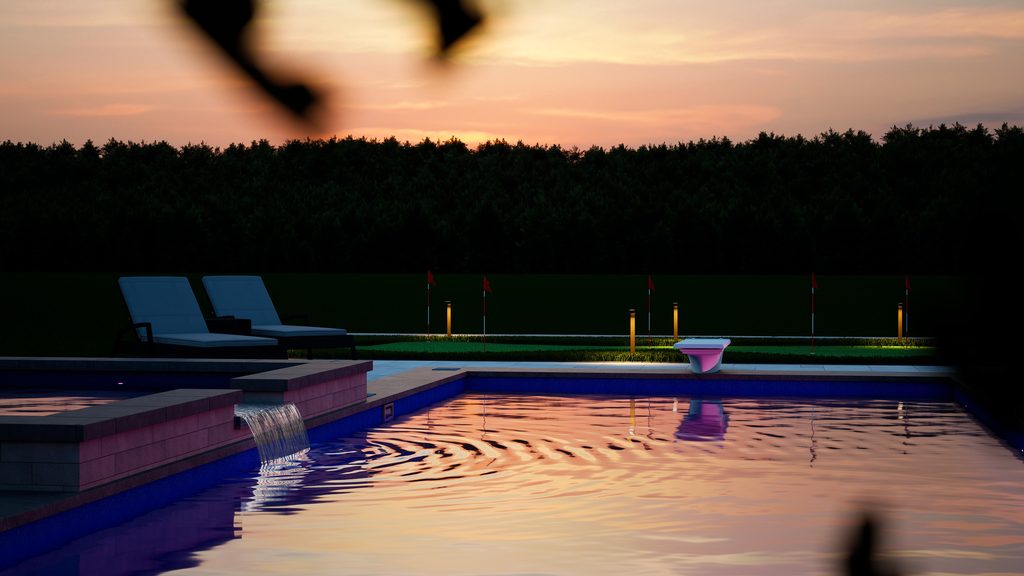
At AJ’s Landscaping, every project starts with a plan—not just a price.
Our team takes the time to understand your property, your goals, your budget and how you want to use your outdoor space. We consider the details that determine whether a landscape will continue performing after installation, including grading, drainage, material selection and long-term maintenance.
Then, we design and build an outdoor space intended to last for years—not one that only looks good on installation day.
Planning a Landscaping Project in Omaha?
Before choosing the lowest bid or beginning a major DIY project, consider the complete cost of the project—not only the initial price.
The right planning and installation can help prevent repeated work, wasted materials and costly repairs.
Contact AJ’s Landscaping to discuss your Omaha-area landscaping project and discover what it takes to build it correctly the first time.
REQUEST A LANDSCAPING CONSULTATION
Frequently Asked Questions About Professional Landscaping
Is hiring a professional landscaper cheaper than doing it yourself?
Professional landscaping usually has a higher initial cost than DIY work, but it can cost less over the life of the project. Professional planning and installation help prevent drainage failures, shifting patios, dying plants and other problems that require replacement or reconstruction.
What landscaping projects should not be DIY?
Projects involving drainage, grading, retaining walls, large paver patios and structural changes are generally best handled by experienced professionals. Mistakes in these areas can damage other portions of the property and can be expensive to correct.
Why do professionally installed patios last longer?
Professional patio installation includes proper excavation, base preparation, compaction, edge restraint and drainage slope. These steps help prevent pavers from sinking, shifting or collecting water.
How can landscaping protect a home from water damage?
Proper grading and drainage direct water away from the home, foundation and outdoor structures. A professional landscaper can evaluate how water moves across the property and design an appropriate drainage solution.
What should I ask before hiring an Omaha landscaping company?
Ask how the company addresses drainage, soil preparation, materials, project planning and long-term performance. You should also discuss your budget, expected maintenance and how you plan to use the completed space.